
The Ultimate Guide to Binder Mechanisms and Ring Types
Binders are one of the most effective tools for organizing documents at home, school, and in the workplace. However, not all binders are designed the same. The type of binder mechanism and ring style you choose can greatly impact storage capacity, durability, and ease of use.
Understanding the different binder ring types helps you select the best solution for presentations, reports, office storage, and daily organization.
What Is a Binder Mechanism?
A binder mechanism is the metal component inside a binder that opens and closes to hold punched documents securely in place.
The mechanism affects:
- Page capacity
- Ease of turning pages
- Binder durability
- Overall document organization
Choosing the right mechanism can improve both efficiency and document protection.
Common Types of Binder Rings
1. Round Ring Binders
Round ring binders are the most traditional and commonly used style.
Best For:
- School notes
- Everyday office use
- Light document storage
Benefits:
- Affordable and widely available
- Easy to use
- Compact design
Limitations:
- Lower page capacity
- Pages may not lie completely flat
2. D-Ring Binders
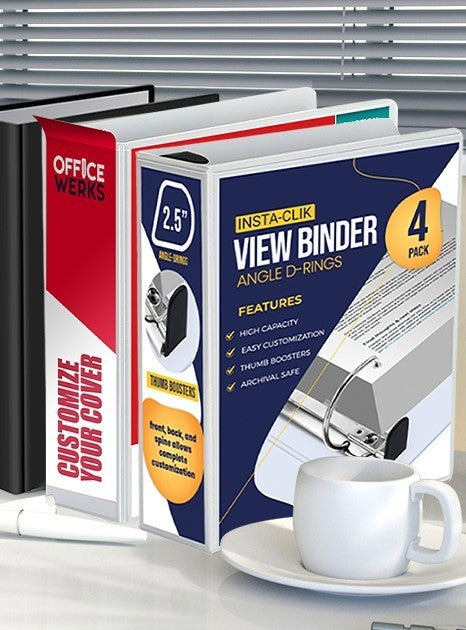
D-ring binders feature rings shaped like the letter “D,” allowing pages to stack more evenly.
Best For:
- Large presentations
- Office filing
- Long-term document storage
Benefits:
- Higher page capacity
- Better page alignment
- Pages turn more smoothly
- Professional appearance
D-ring binders are popular in corporate and business environments because they maximize storage space while maintaining organization.
3. Slant D-Ring Binders
Slant D-ring binders position the rings at an angle rather than directly centered.
Best For:
- Heavy-duty document storage
- Frequent page turning
- Large reports
Benefits:
- Increased storage capacity
- Reduced page wear
- Improved accessibility
These binders are ideal for users who regularly handle large amounts of paperwork.
Choosing the Right Binder Mechanism
When selecting a binder, consider:
Document Volume
Large projects typically benefit from D-ring or slant D-ring binders.
Frequency of Use
Heavy daily use requires durable mechanisms and stronger rings.
Presentation Needs
Professional meetings and presentations often look cleaner with D-ring binders.
Storage Space
Round ring binders are compact and work well for lighter storage needs.
Final Thoughts
The right binder mechanism can improve organization, document protection, and everyday efficiency. Whether you need a simple round ring binder for school or a heavy-duty D-ring binder for professional storage, understanding ring types helps you make the best choice for your needs.